
What Are We Really Buying?
What if the biggest danger in your shopping basket isn’t the price, but what’s actually inside the package?
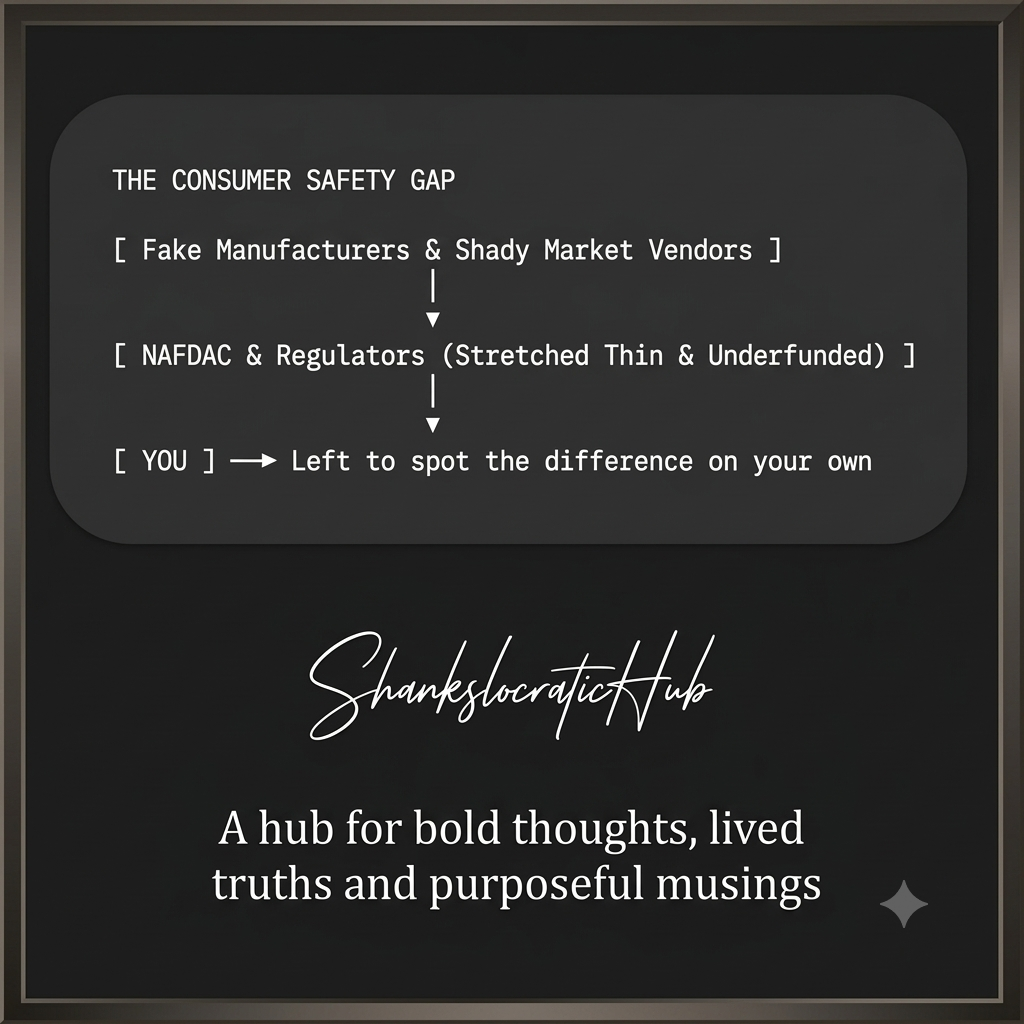
After The Orange Lie explored how some global brands sell differently formulated products in different markets, there’s another uncomfortable reality we need to confront: counterfeit and adulterated products are also finding their way into ordinary Nigerian homes.
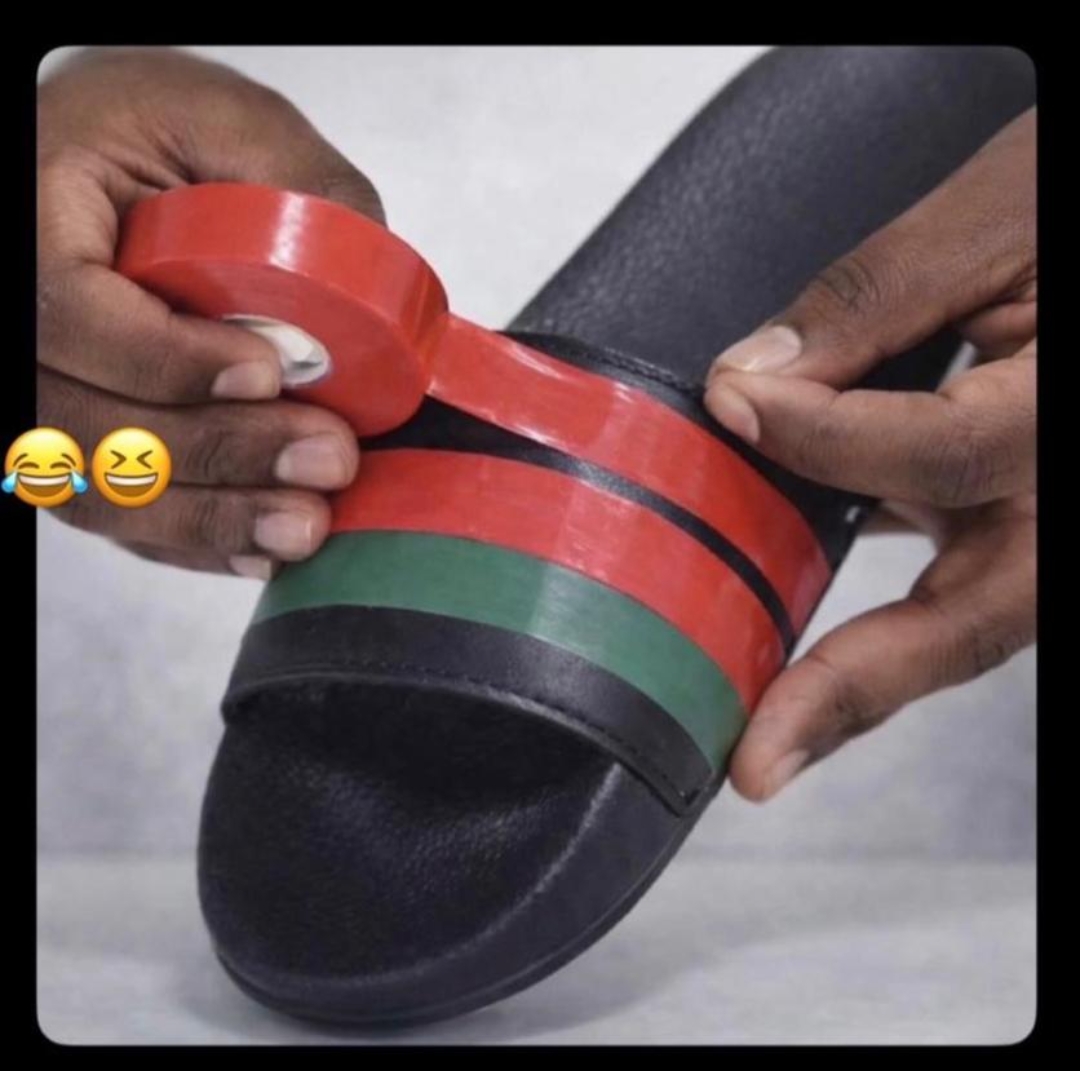
Fake toothpaste. Refilled bottled water. Questionable cooking ingredients. Suspiciously altered food products. Sometimes the packaging looks convincing enough that you would never think twice before paying for it.
And that raises a bigger question: how much investigation should an ordinary consumer have to do before trusting something bought from a shop or market?
We often tell people to “be careful,” but consumers cannot realistically become chemists, forensic investigators and regulatory officers every time they go shopping. There is a role for regulation, enforcement and accountability too.
Still, there are things we can learn to notice: unusual packaging, broken seals, suspiciously low prices, strange smells or appearances, and products that simply don't seem right.
But which warning signs have you personally learned to watch for?
Have you ever bought something you later suspected was fake, diluted or adulterated? What gave it away?
Share your experience below. Your observation might help someone else avoid the same trap.
For the deeper breakdown, the documented examples, consumer-safety concerns and practical precautions, visit the ShankslocraticHub community and read the full piece: “Fake Products, Real Danger: Why What’s in Our Markets Should Scare Us All.”

1 comment
Log in to join the conversationThis is so sad