
STI's or STD's
Sexually Transmitted Infections (STIs)
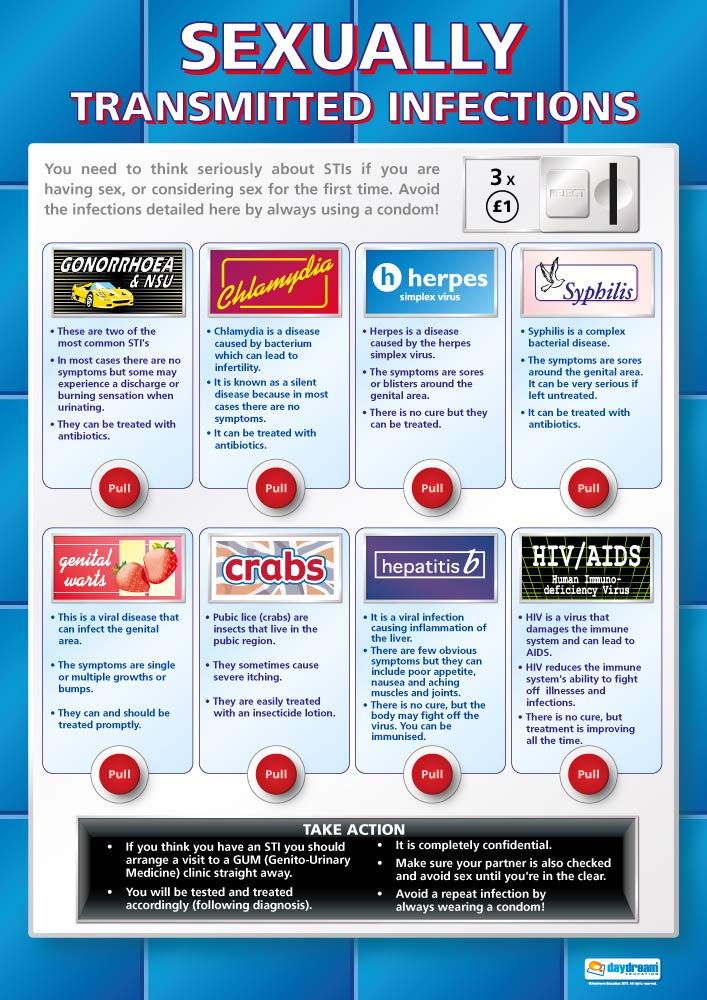
Sexually Transmitted Infections (STIs) are infections that spread mainly through sexual contact, including vaginal, anal, and oral sex. They are caused by bacteria, viruses, or parasites and can affect people of all ages. Common STIs include chlamydia, gonorrhea, syphilis, genital herpes, human papillomavirus (HPV), and HIV.
Many STIs do not show symptoms in their early stages, making regular testing important for sexually active individuals. When symptoms occur, they may include unusual discharge, pain during urination, sores, itching, or rashes around the genital area. If left untreated, some STIs can lead to serious health problems such as infertility, pregnancy complications, organ damage, and an increased risk of HIV infection.
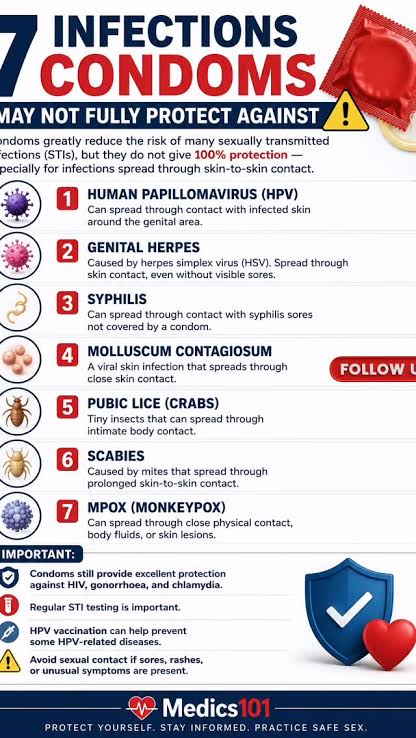
Prevention is the best way to reduce the spread of STIs. This can be achieved through abstinence, mutual faithfulness between uninfected partners, correct and consistent use of condoms, and regular medical check-ups. Vaccines are also available for certain infections, such as HPV and hepatitis B.
Education and awareness play a vital role in preventing STIs. People should seek medical advice if they suspect an infection and avoid self-medication. Early diagnosis and proper treatment help protect both individual and public health.



18 comments
Log in to join the conversationMost times they are asymptomatic in females
Early diagnosis is important
Prevention is better than cure
Regular testing is important
Regular testing is so important, especially because some infections can go unnoticed for years.
Awareness and education are our best tools in preventing the spread of STIs.
A lot of people avoid getting tested because of fear or stigma. We need to normalize routine check-ups.
Prevention is always better than treatment. Thanks for sharing this important information.
It's surprising how many serious health complications can result from untreated STIs.
Young people especially need access to accurate sexual health information like this.
Many people only think about HIV when discussing STIs, but there are several others to be aware of.
Many people only think about HIV when discussing STIs, but there are several others to be aware of.
Health education posts like this can help save lives and protect families.
Getting tested doesn't mean something is wrong, it means you're being responsible about your health.
The availability of vaccines for HPV and Hepatitis B is something more people should know about.
It's important for partners to communicate openly about sexual health and testing.
Thanks for highlighting the importance of early diagnosis. Early treatment can prevent serious complications.
Knowledge is power. The more informed people are about STIs, the better equipped they are to protect themselves and others.