
WOMEN'S EMPOWERMENT: BEYOND THE POLITICS OF CASH DISTRIBUTION
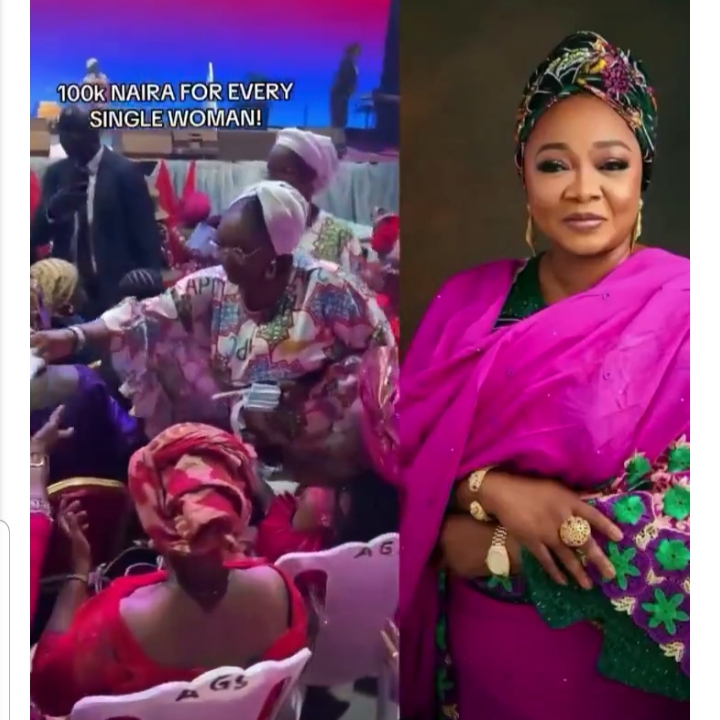
Here's Nigeria's Minister of Women Affairs, Hajiya Imaan Sulaiman-Ibrahim, reportedly sharing ₦100,000 with each woman in the hall.
But is this the kind of empowerment Nigerian women should be receiving in this dispensation? Should empowerment be reduced to the distribution of cash, or should it go further to address the cultural, professional, intellectual and socioeconomic development of women?
While financial assistance can provide immediate relief, sustainable empowerment should equip women with the knowledge, skills, exposure and opportunities to become independent, productive and influential contributors to society.
Perhaps it is also time to have a deeper conversation about the kind of exposure and opportunities available to some of these beneficiaries, and how we can expand their horizons beyond immediate financial handouts.
It is high time Nigerian women were empowered to become more informed, exposed, economically independent and adequately positioned to compete and contribute meaningfully in an increasingly demanding world.
The question is simple: Are we empowering women for the moment, or preparing them for the future?

1 comment
Log in to join the conversationBeyond government cash handouts, what practical policies, programmes or opportunities would you like to see introduced to genuinely advance the position of Nigerian women?
I'm particularly interested in ideas that go beyond political gestures and can make a measurable difference in women's lives. Let's hear your thoughts. 👇