
The Cost of Silence: A Cry for Justice
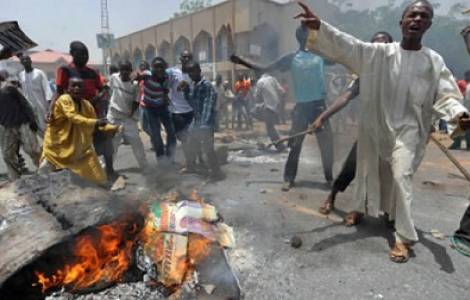
In 2012, four young men were unjustly killed in cold blood while heading home from their university campus. They were burnt alive—innocent souls whose only “crime” was being Nigerians living in Nigeria. Their parents had sacrificed everything to put them through school, only to see those dreams reduced to ashes. “Nigeria happened to them.”
More recently, a 24-year-old woman went to an interview she found online; it was the last time she was ever seen alive. These are not isolated incidents; they are the headlines that break our hearts daily. We hear reports of young Nigerian women “seeing hell” in Libya, enduring unspeakable abuses in search of a better life.
What have Nigerian youths done wrong? Why are they perpetual victims? They are unsafe at home, yet when they flee, they face discrimination abroad. Before the 2020 #EndSARS protests, chilling reports emerged of operatives maintaining secret burial grounds within stations—dumping the remains of those they tortured to death. The pattern was often the same: extort money from these young men, eliminate them, and bury the evidence.
We must also confront the tragedy of our young women forced into prostitution or human trafficking. These ladies grew up with vibrant dreams of becoming doctors, lawyers, actresses, and accountants—dreams now traded for survival.
Who is Responsible?
The weight of this accountability falls on all of us. It rests on:
- The Silent: Those who remain quiet in the face of blatant injustice.
- The Indifferent: Those who refuse to participate in the electoral process.
- The Complicit: Those who trade their future by selling their votes for temporary gain.
As another election approaches, we stand at a crossroads. We cannot afford to be silent any longer. We must get it right this time.
1 comment
Log in to join the conversationToo bad