
Social Media and Mental Health
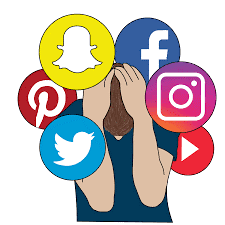
Social media has fundamentally reshaped how we live, altering everything from our morning routines to how we maintain friendships. While it keeps us globally connected and provides an outlet for self-expression, its constant presence heavily influences our mental health.
On the positive side, these platforms offer vital communities for marginalized groups and instantly bridge geographical divides.
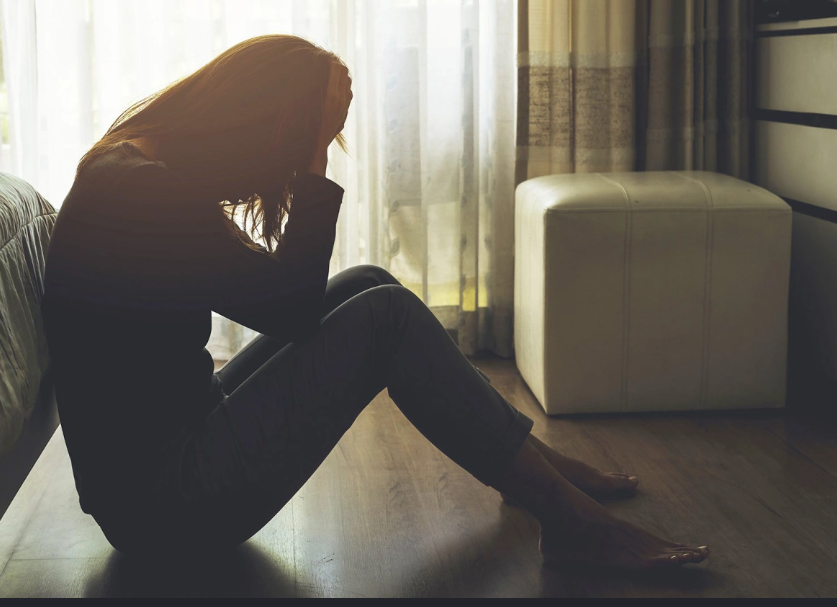
However, the habit of daily scrolling often exacts a hidden toll. Studies show that spending over three hours a day on social media doubles the risk of experiencing poor mental health outcomes, including symptoms of anxiety and depression.
This vulnerability stems from the "highlight reel" effect, where users constantly compare their messy realities to the curated, idealized lives of others. This comparison frequently triggers feelings of inadequacy, loneliness, and body dissatisfaction. Furthermore, late-night scrolling disrupts natural sleep cycles, worsening mood swings and reducing stress resilience.
Ultimately, social media is a powerful tool that amplifies both connection and comparison. Protecting our mental health requires a conscious shift—moving away from passive, endless consumption and toward intentional, real-world engagement.

11 comments
Log in to join the conversationYes, comparison steals joy
It can be so draining
Sometimes it's for escapism
It can be so draining
True talk
This thing has really disrupted my sleep cycle
Social media takes a lot of our time
Depends on your personal state of mind oo
Everything that has advantage has disadvantage
We need more awareness of this, and people should move to quibbles cuz it’s less noisy here
Use it appropriately