
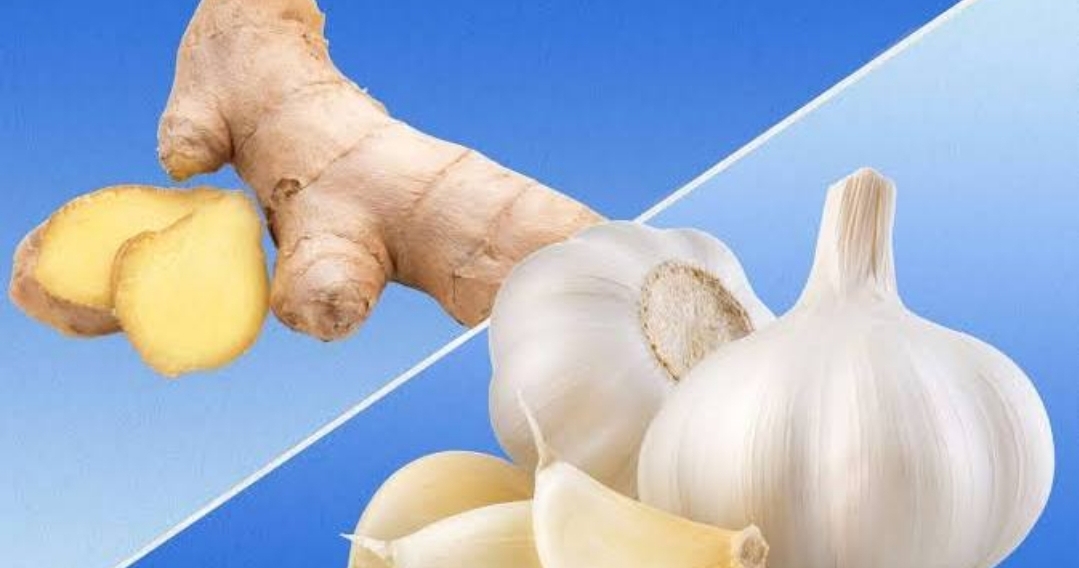
Garlic vs. Ginger: Which Is Better for Inflammation?
Inflammation is your body’s natural response to injury, stress or infection. “In short bursts, it helps you heal. When it lingers, though, chronic low-grade inflammation has been linked to conditions like heart disease and type 2 diabetes,” shares Jamie Lee McIntyre, M.S., RDN.
What you eat can play a role here, including garlic and ginger. But when it comes to combating inflammation, is one actually better than the other? Here’s what experts and research say.
Garlic’s anti-inflammatory powers come down to its sulfur compounds, the most well-known being allicin. Interestingly, allicin doesn’t exist in a whole clove. Instead, it forms when garlic is crushed or chopped, triggering an enzymatic reaction that converts a precursor compound into allicin.
Ginger & Inflammation
Ginger brings a whole different lineup of anti-inflammatory compounds, including gingerols, shogaols, paradols and zingerone.
In fresh ginger, gingerols take center stage and have strong anti-inflammatory properties. When ginger is heated or stored over time, some gingerols convert into shogaols, which some research suggests may have even stronger anti-inflammatory effects than their fresh-form counterparts.
Research suggests these compounds can influence some of the processes that help drive inflammation in the body, which may help explain ginger’s anti-inflammatory benefits. One trial tested a concentrated ginger extract in 30 adults with mild to moderate joint and muscle pain over about eight weeks.
6 comments
Log in to join the conversationGinger
Ginger
Ginger
Ginger takes it
Garlic
Ginger it is