
Understanding RhoGAM: Purpose, Timing, and Duration
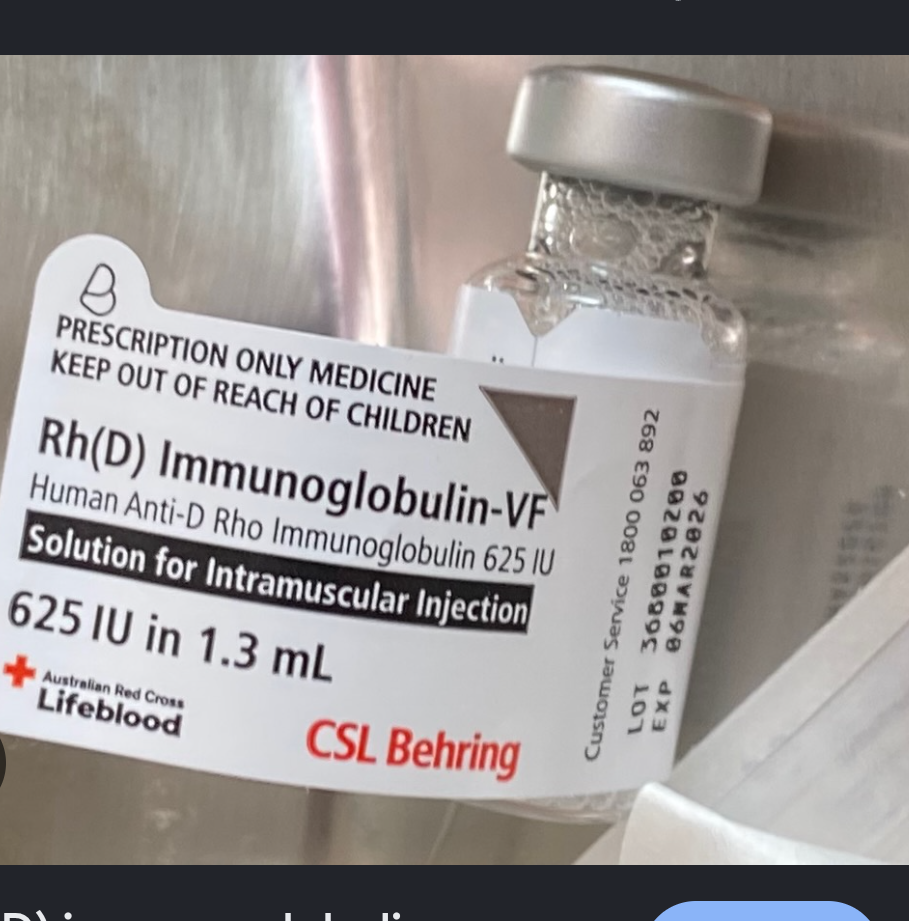
RhoGAM (Rho(D) immune globulin) is a specialized injection designed to prevent Rh incompatibility, a condition that can cause serious complications during pregnancy. While it is often discussed around blood type mismatches, RhoGAM is specifically used when the mother is Rh-negative and the child is Rh-positive (or when the baby's blood type is unknown).
Why It Is Used
If an Rh-negative mother's blood mixes with Rh-positive fetal red blood cells, her body can treat those fetal cells as foreign threats and produce antibodies to destroy them. RhoGAM neutralizes these fetal red blood cells before the mother's immune system can form a permanent defense against them. This protects the current fetus and future Rh-positive babies from developing severe fetal anemia, jaundice, or heart failure.
When It Is Used
RhoGAM is given as an intramuscular injection at key clinical milestones:
- 26 to 28 Weeks of Pregnancy: Administered routinely as a preventive measure during the third trimester.
- Within 72 Hours of Delivery: Given post-birth if cord blood tests confirm the newborn is Rh-positive.
- After Exposure Events: Administered within 72 hours of potential blood mixing, such as after amniocentesis, abdominal trauma, miscarriage, ectopic pregnancy, or vaginal bleeding.
How Long It Lasts
A single standard dose remains active in the mother's body for approximately 12 to 14 weeks. Because the immunity is temporary and fades over time, RhoGAM does not provide permanent protection—it must be readministered during every subsequent pregnancy involving an Rh-positive fetus.


1 comment
Log in to join the conversationThanks for the tip
Learning the right way