
5 Self-Pollinating Bare-Root Fruit Trees to Grow in Your Garden
Montmorency Tart Cherry
The Montmorency tart cherry (Prunus cerasus Montmorency) is self pollinating, extremely hardy, and a dependable producer, says Kirsti Baldini of Windswept Gardens. Planting this variety is cost-effective and time-saving because it produces a full harvest on its own, eliminating the need for a second tree for cross-pollination.
Golden Delicious Apple
Harvesting a Golden Delicious apple (Malus domestica Golden Delicious) from your own yard is a seasonal highlight. Baldini notes that this tree is partially self-fertile, meaning it can produce fruit without a nearby pollinator, but produces a much heavier crop when another apple variety is nearby.
Peach
If you’re looking for a fruit tree that produces fruit fairly quickly and is self-fertile, look no further than the classic, juicy peach. When grown from bare root, peach trees (Prunus persica) tend to start stronger than potted trees. “Peach trees will naturally begin to bear flowers and fruit at a young age—about three years after planting,” says Renae Moran, a tree fruit specialist at the University of Maine.
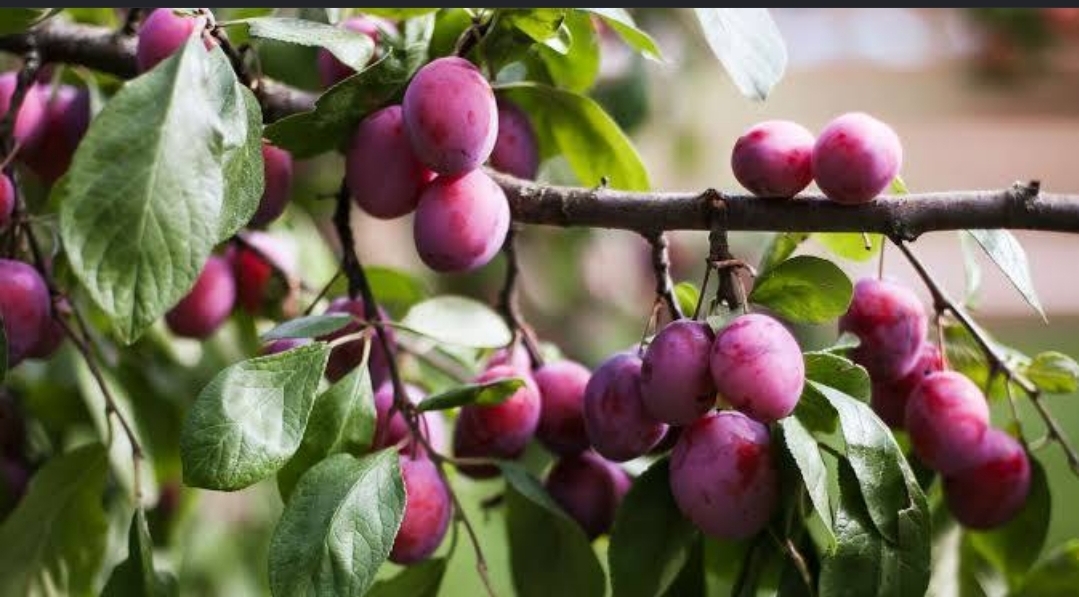
Plum trees (Prunus domestica) are renowned for their low-maintenance, easy-to-grow nature. David Fried, the owner of Elmore Roots Fruit Tree Nursery, emphasizes that plums are self-fertile and naturally produce heavy annual crops with minimal pest issues. Plum trees have wide-spreading branches and smooth, dark bark that becomes rough as they age. They have simple, oval-shaped green or purple leaves, and in the spring, they produce clusters of small white or pink flowers that eventually develop into smooth, rounded, edible stone fruits.
Fig
If you enjoy the sweet, soft fruit of the fig tree (Ficus carica), you’ll be happy to know that most fig varieties are self-fertile. They are often sold as bare-root plants, letting gardeners get off to a strong start without needing another tree for pollination. The fig tree makes a wonderful addition to any garden, featuring smooth gray bark, pear-shaped fruit, and large, palmate leaves. While fig trees typically thrive in USDA hardiness zones 7 to 10, experts recommend varieties such as Chicago Hardy, Brown Turkey, and Celeste for colder regions, which can grow in zones 5 to 6 with proper winter protection.

5 comments
Log in to join the conversationA lot of trees do well without cross pollination
Thank you for this
learning is indeed continuous
I keep gaining everyday
Looks like the picture shows plums instead of cherries!