
Ask chatgpt to choose a random number between 1 to 30 and the answer he will tell you is 17!
My question here is why? Why 17 of all numbers? And why different people and the same answer?
 If artificial intelligence eventually became more intelligent than humans in almost every field, what would make human beings valuable? If machines could work faster, think more accurately, create extraordinary art, and solve complex problems, would human worth still depend on intelligence, productivity, and achievement? Or would we finally recognise that a person’s value exists independently of what they can produce?
Visited a resort and was unable to take pictures.
 Fashion AI video
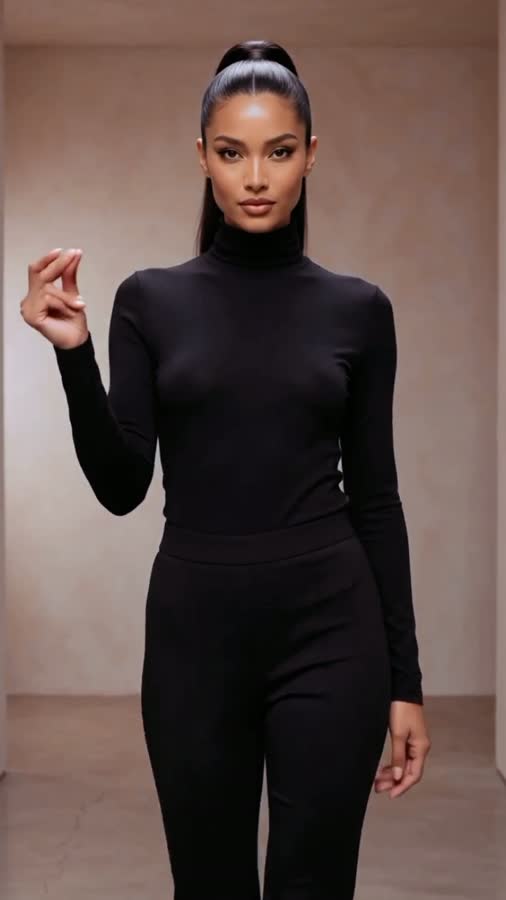 AI commercial ad - Kilishi brand
 Show more posts
6 comments
Log in to join the conversationTell it to pick a colour and it will pick blue
Seriously?
Will check this out
For ChatGPT, I’d say the response isn’t strictly fixed, it’s just heavily biased. As the attached image shows, it also gave me 17 for a “random number” and teal (blue‑green) for a “random colour.”
That happens because the model predicts text based on patterns in human writing. Since people often choose 17 when asked for a random number (it feels odd, prime, and clean), the model learns that 17 looks random.
Interestingly, on the same task, Kimi chose 4 while Perplexity chose 5. With more conservative sampling settings, those numbers could easily become the default “random” answers for their respective models across different users.
To get true randomness, ask the AI to write and run code that uses a proper random function, not just “pick a number” in chat. I suspect that’s exactly what Kimi did. It executed Python code before settling on its final answer.
Ok understood
Ohh let me check this out