
Fresh, Dried, or Juiced: Which Fruits and Vegetables Are Healthier for Blood Pressure?
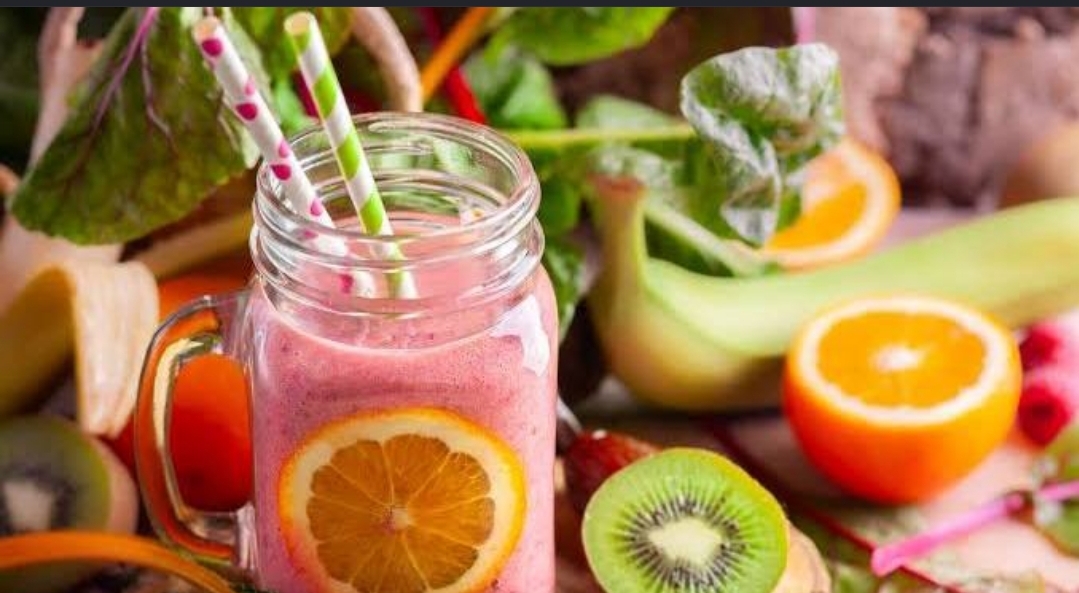
For general blood pressure benefits, fresh fruits and vegetables are the preferred choice. They have fewer calories and less sugar than dried options, while maintaining the fiber often lost when fruits are juiced.
Fresh cherries and plums provide the following nutrients associated with cardiovascular health and blood pressure management:
Naturally occurring potassium, which helps manage blood pressure by counteracting the cardiovascular effects of sodium
Dietary fiber, which promotes a sense of fullness (satiety) and contributes to cardiovascular health
Polyphenols (plant compounds with antioxidant and anti-inflammatory properties) that may improve vascular function and reduce oxidative stress1
When following eating patterns shown to lower blood pressure, such as the Dietary Approaches to Stop Hypertension (DASH) diet, fresh fruit is usually the best choice because it has the most fiber and the fewest calories.
Dried Options: More Concentrated Nutrition with Caution
The drying process removes most of the water in fresh cherries and plums. This increases the concentration of nearly every other nutrient, including naturally occurring sugars, potassium, and calories per serving, though some heat-sensitive nutrients, such as vitamin C, may decrease depending on the temperature at which the fruit was dried.
The reduced water content in dried cherries and dried plums (also called prunes) means that a smaller serving of dried fruit contains a similar amount of carbohydrate, sugar, and calories as a larger serving of fresh fruit. Since a serving of dried fruit is much smaller by weight than a serving of fresh fruit, portion control is necessary when eating dried cherries and plums.
Juices: Nutrients Without Adequate Fiber
Juicing whole fruit, such as cherries and plums (also known as prune juice made from dried plums or prunes), alters the fruit more dramatically than drying. This is because juicing involves significant processing and heat processing (pasteurization), which may contribute to the loss of some nutrients and antioxidant compounds.
While most juices retain potassium and many polyphenols, they can lose most or all of the fruit’s fiber, depending on how they are processed.
9 comments
Log in to join the conversationI appreciate this
Thanks so much for this Meemah
I don't really get the types of dried fruits
Dates or berries many are dried and sold
Dried fruits 🤔
Yes take dates as example must of the ones available are dried
I've never tried dried fruits
Even dates?
I like fresh fruits the best anyway