
Peter Obi and the cross of a nation
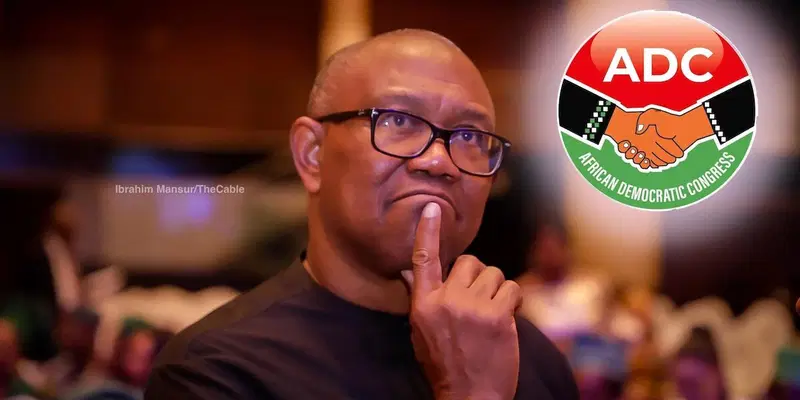
Peter Obi’s political journey in Nigeria has, in many ways, come to resemble a quiet but persistent carrying of a cross – marked by endurance, conviction, and a deep commitment to principle in the face of resistance. From his emergence on the national stage to his current role as a leading voice in public discourse, he stands as the personification of a stoic political faith, proving that the cost of integrity is high, but the price of its absence is the slow decay of the soul of a nation.
That burden did not begin on the national stage, the Champion’s League; it can be traced to the local league, his tenure as governor of Anambra State, where Peter Obi first defined the principles that now shape his political identity. In a system often marked by political brigandage, he distinguished himself through fiscal discipline, transparency, adherence to due process, and a refusal to personalise public resources. He made education and healthcare priorities, returned schools to missionary authorities to improve standards, maintained a lean cost of governance, and still delivered significant infrastructure. Remarkably, he left office with substantial funds in the state treasury – a rare act of prudence in an age of prodigality.
Building on this reputation widespread Among Nigerians, he stepped onto the national stage in 2019 as the running mate to Alhaji Atiku Abubakar. Very soon, in 2023, Obi returned to the race under the platform of the Labour Party. At the time, the party had limited national visibility, yet his candidacy transformed it into a formidable movement and a symbol of hope for many Nigerians. If not for “Mahmoodian” glitches, Nigerians – even Mr President – know that he won that election. Till today, he remains, in the hearts of Nigerians, the celebrated tribune of the people, whose momentum shook the very foundations of the old order.
Since then, Obi has remained consistent in his advocacy for national progress. He has continued to speak against poor governance, economic mismanagement, and policy failures that have come to define much of the current national experience. Beyond criticism, he has been offering, through public discourse, a series of pragmatic remedies for the nation’s challenges. He has repeatedly called attention to the rising cost of governance, urging leaders that a government which feasts while its people fast is a house built upon sand. This is why, for example, on the issue of fuel subsidy removal, he acknowledged the need for reform but faulted the manner of its execution.


3 comments
Log in to join the conversationLet's keep moving
He is trying
I heard earlier today that they will change there party to NDC